
CHEMICAL TEAM
About the Chemical Team
The Chemical Specialty Team is a 24/7 regional resource available to support the medical management of chemical and toxicological incidents throughout Region 7. Working through a network of subject matter experts from the region's four poison control centers, the team provides expert guidance for a wide range of emergencies, including agricultural and industrial exposures, chemical terrorism events, hazardous materials incidents, and poisonings. The team's mission is to strengthen regional preparedness and response capabilities by providing timely consultation, education, and technical expertise. Core capabilities include identifying hazardous substances based on patient symptoms and exposure history, assessing toxicity and immediate health risks, providing triage and treatment recommendations, and supporting healthcare facilities with patient-specific care guidance. The team also assists with notifying hospitals and public health agencies, locating and transferring antidotes, providing dosing and administration recommendations, and, when appropriate, offering on-scene triage and treatment support. Through collaboration, training, and expert consultation, the Chemical Specialty Team helps ensure healthcare providers and emergency responders across the region are prepared to effectively manage chemical emergencies.
TEAM LEADS


Kathy Jacobitz, MHA, BSN, RN, CSPI
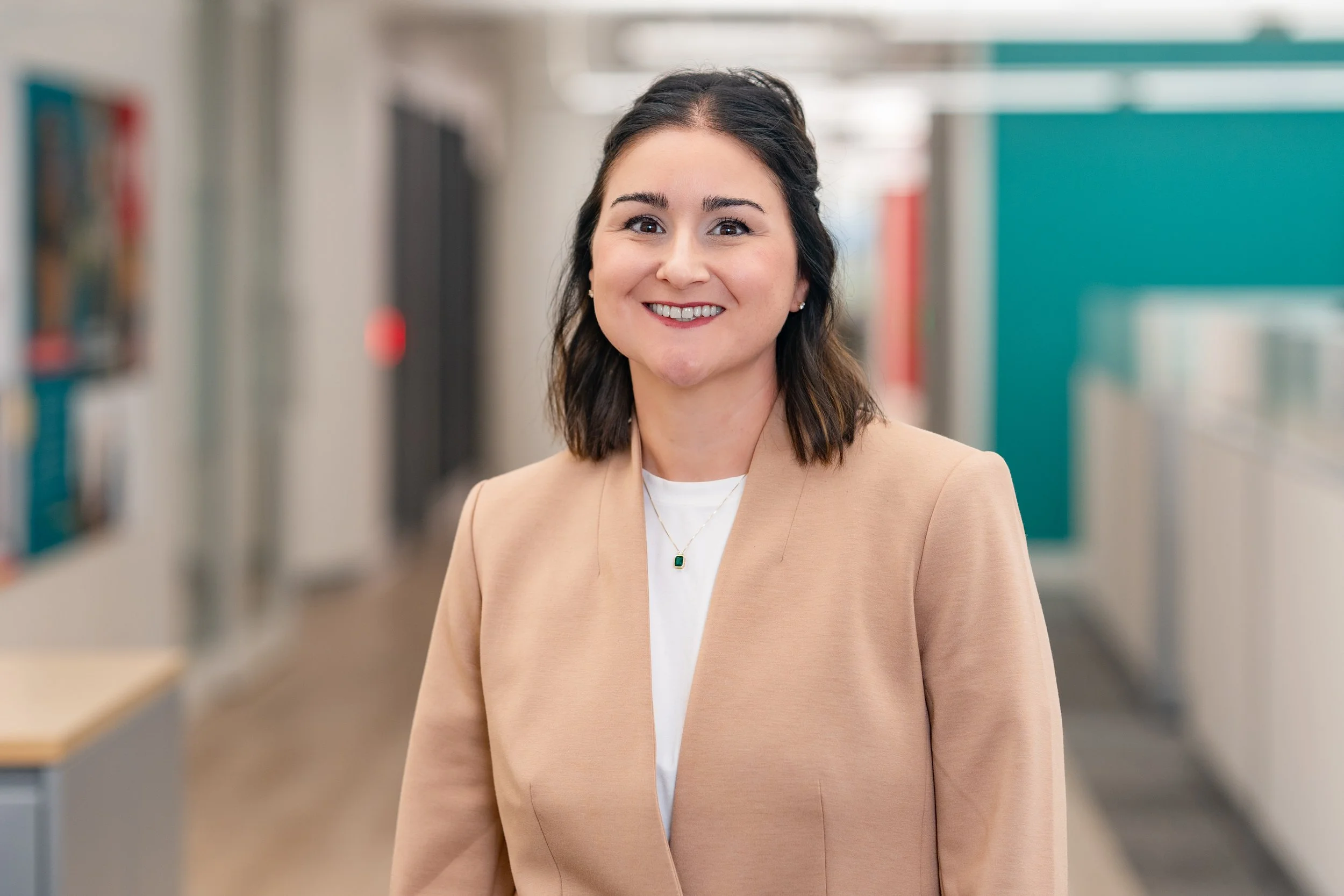
Daniel McCabe, MD
Krysta Baack, PharmD, CSPI, BCEMP
To connect with our Chemical team, please remail r7dhre@unmc.edu.
-
ACTIVATION
The chemical team can be activated 24/7 by calling the state’s own poison center: 800-222-1222. Immediate information can be provided via telephone, with additional support through tele-technology as needed. If team deployment is needed, direction and support will be provided by the RDHRE Core Team.
RESPONSE
The chemical specialty team consists of board-certified medical toxicologists, clinical toxicologists, and certified specialists in poison information (nurses and pharmacists). The team can assist local responders, clinicians, and public health authorities by:
1) Providing immediate telephone advice
2) Providing advice and training via tele-technology
3) Traveling to the scene of a disaster or event in order to assist with patient/event management and provide just-in-time training as needed.
-
Supported Nebraska's statewide IV fluid shortage response by providing situational updates, mitigation strategies, and guidance on the national hydroxocobalamin (Cyanokit) shortage.
Distributed chemical antidote posters and CBRN reference cards at the National Healthcare Coalition Preparedness Conference.
Collaborated with Region 7 poison center directors and the EPA Region 7 Regional Response Team to strengthen poison center support during hazardous materials incidents.
Delivered seven Advanced Hazmat Life Support (AHLS) Provider and Instructor courses for healthcare professionals across Region 7.
Developed educational resources, including Procedure for Pediatric Administration of Cyanokit and New Cyanokit Warning: Must Administer with IV Filter.
Led development of the Midwest Burn Region exercise, Toxic Blaze: A Multidisciplinary Response to Burn and Chemical Casualties.
Coordinated distribution of IV filters to Omaha-area fire departments carrying Cyanokits.
Assisted emergency management and EMS partners in Iowa with replacing expired DuoDotes and exploring CHEMPACK alternatives.
Provided subject matter expertise and technical assistance to healthcare providers, healthcare coalitions, and public health agencies on chemical exposure planning and response.
Updated regional clinical guidelines for chemical exposure management in collaboration with Region 7 poison centers and healthcare partners.
-
Plans to host a regional Advanced Hazmat Life Support (AHLS) Provider and Instructor Course.
—————————————————
Developing chemical exposure clinical guidelines for use by the region’s poison centers and other healthcare providers.
—————————————————
Continuing to expand the number of Chemical Team members and developing the team through regular updates and education.